Rocksmith Tech

What an engagement looks like.

You won't find client names or logos on this site — our clients present us as their own in-house team, and that discretion is part of the service. What we can show you are the patterns: the situations we walk into, and what changes.

Pattern 01 · The stalled asset

The app that was built but never launched.

A national distributor had paid for a mobile app. It worked. It sat unreleased for months — stuck on final testing, store compliance and backend loose ends, with the original builders gone quiet and nobody internally accountable for the last mile.

As their software team, we audited the codebase, took over the repositories, ran the final UAT with their own staff, and submitted to the Apple and Google stores under their developer accounts. The app their customers use today carries their brand; our name appears nowhere.

What changed: a paid-for asset earning nothing became a live product — and every release since has shipped on the monthly cycle.
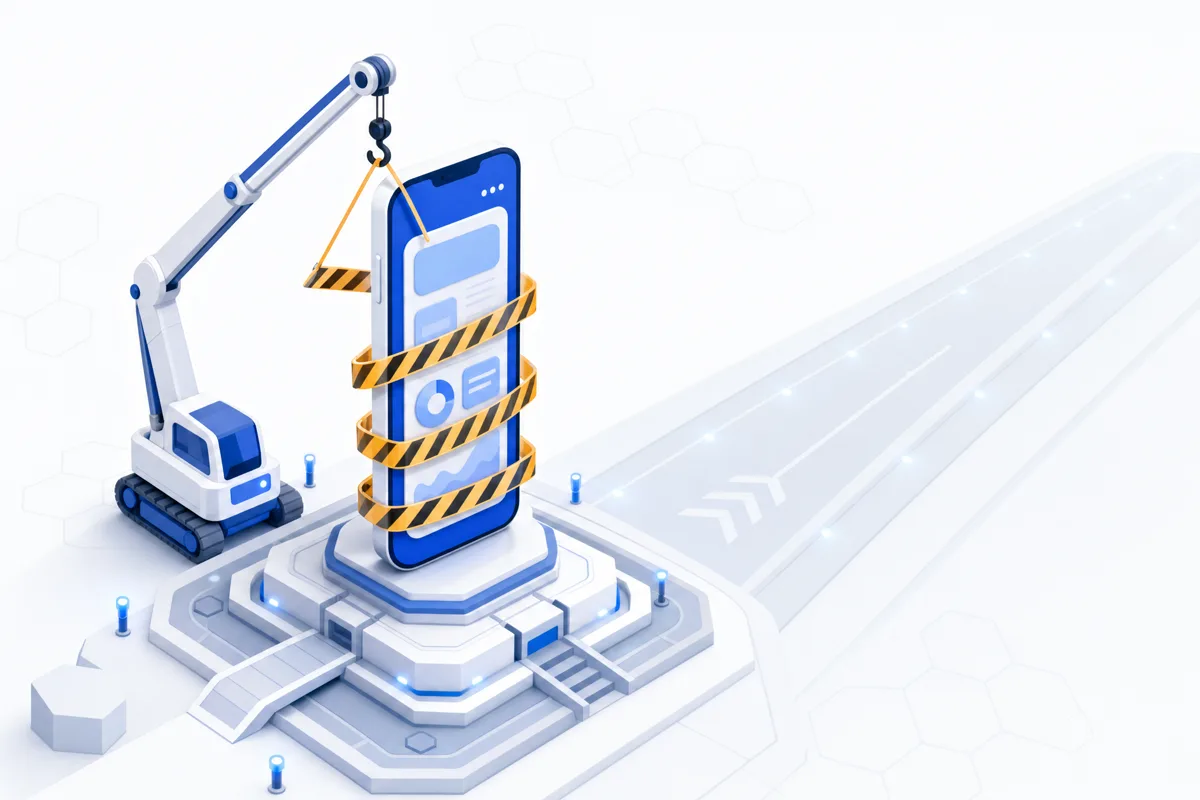
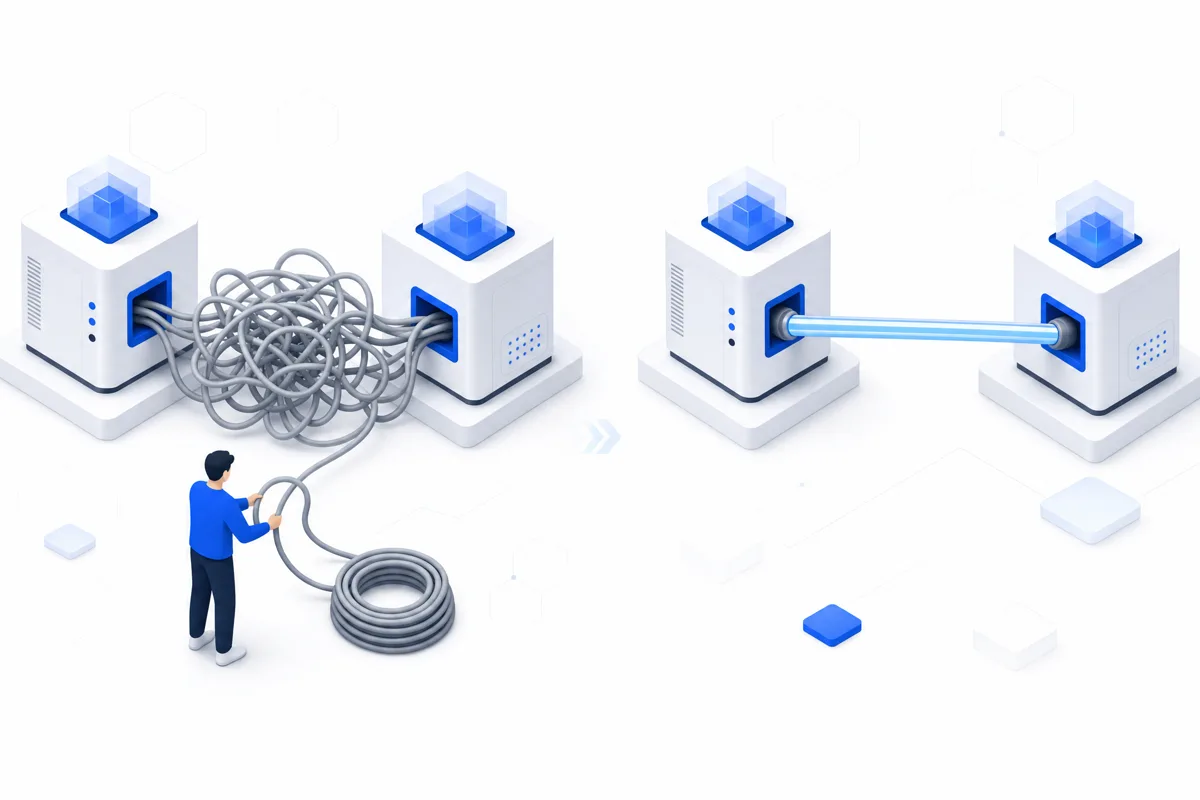
Illustration: a finished app wrapped in caution tape being lifted onto a launch runway
Pattern 02 · The fragmented stack

Four systems, four versions of the truth.

A wholesale business ran an ERP, an e-commerce store, a warehouse process and an accounting package — each holding part of the truth. Sync logic between them was fragile and undocumented: orders re-keyed by hand, stock the website didn't trust, and failures surfacing as angry trade customers.

We replaced the fragile glue with integration software the business owns: explicit rules, full logging, safe retries and alerts when a human is genuinely needed. Their trading terms — account pricing, credit rules, freight — moved into software they control, insulated from every vendor's next upgrade.

What changed: data entered once flows everywhere, and the systems became replaceable parts instead of load-bearing walls.

Illustration: tangled cables between two systems replaced by one clean glowing connection
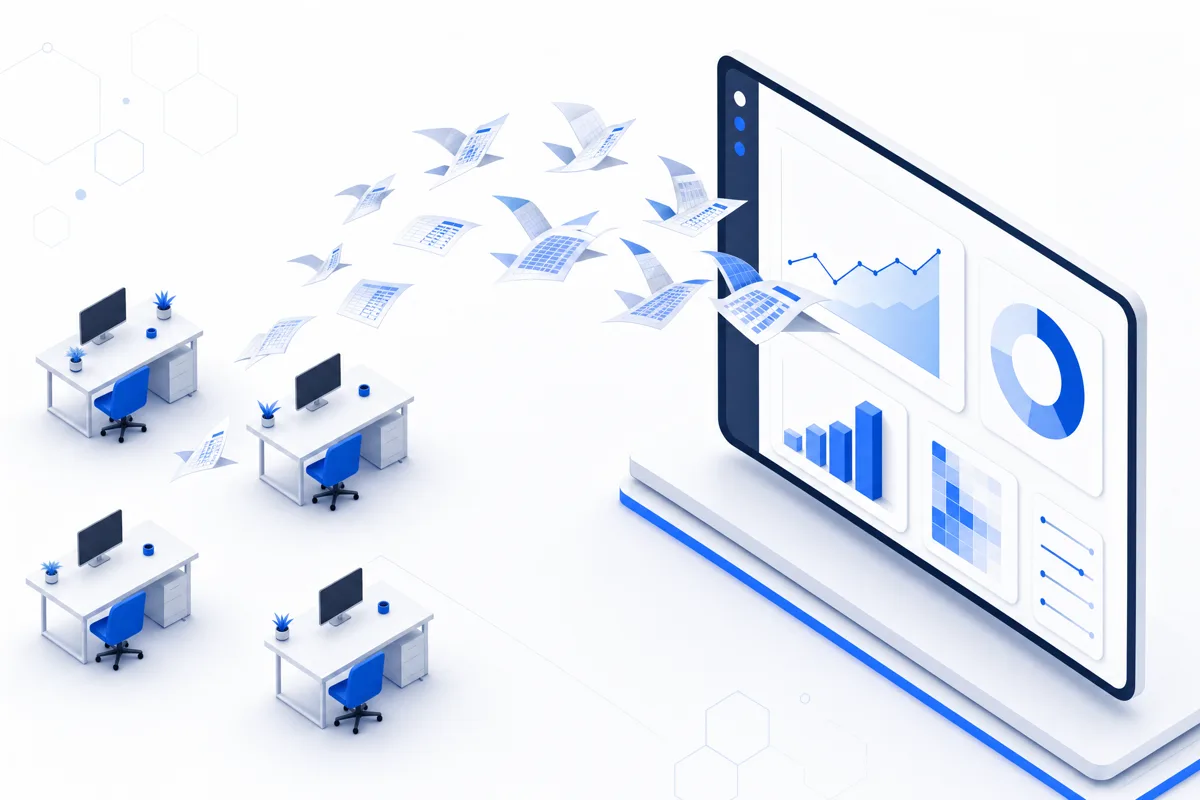
Pattern 03 · The spreadsheet business

The company that ran on forty spreadsheets.

A services business had grown past what shared spreadsheets could carry: quoting in one workbook, scheduling in another, month-end assembled by hand from six more. Every file had one person who understood it, and every week produced a new version-conflict mystery.

We built their operating system — quoting, job flow and reporting in one web application shaped around how they actually price and schedule work, integrated with the accounting package they kept. The spreadsheets that earned their place stayed; the ones that were load-bearing databases retired.

What changed: the numbers management sees are live and trusted, and the business stopped depending on one person's memory of how the workbook works.

Illustration: paper spreadsheets flying like birds into one clean dashboard screen
Why no names

Details changed. Patterns real.

Each scenario above is drawn from real engagements with identifying details altered. We never name clients, publish logos, or seek public reviews — to their customers and staff, the software is theirs and so is the team. If you'd like to talk through whether your situation fits a pattern, that conversation is free.

Recognise your business in one of these?

Tell us which one — and what's different about your version. We reply within one business day.